
mirror laminated glass
Understanding Snap Dial Gauges A Comprehensive Overview Snap dial gauges are precision instruments used widely in various industries for measuring linear dimensions and monitoring processes. Their robustness, accuracy, and ease of use make them indispensable tools in fields ranging from manufacturing to quality control. What is a Snap Dial Gauge? A snap dial gauge, also known as a dial indicator, is a measuring tool designed to provide precise measurements of small distances. It typically consists of a needle and a dial display. The needle moves in response to changes in distance, while the dial provides a visual reference of the measurement. This instrument is particularly useful for checking the flatness, alignment, and runout of an object. Components of Snap Dial Gauges A typical snap dial gauge consists of several key components 1. Dial Face The face of the gauge displays a circular scale, often calibrated in millimeters or inches. The markings indicate the measurement range, and the needle provides a direct reading. 2. Probe The probe is the part that contacts the surface being measured. It extends from the gauge and can be adjusted or replaced based on the measurement requirements. 3. Stem The stem houses the mechanism that translates the movement of the probe to the dial. The precision of the stem’s movement is critical for maintaining the accuracy of the measurements. 4. Base This part enables the snap dial gauge to be securely attached to a surface or fixture. A stable base is essential for reliable measurements, especially in dynamic environments. 5. Zero Adjustment Most snap dial gauges come with a zero adjustment feature, allowing users to calibrate the gauge before taking measurements. This ensures that any variations in the environment or gauge wear do not affect accuracy. Applications in Various Industries snap dial gauge Snap dial gauges find applications in numerous industries due to their precision and reliability - Manufacturing In manufacturing, snap dial gauges are essential for quality control processes . They are employed to measure the thickness of components, ensure proper alignment during assembly, and check for tolerances in production. - Automotive In the automotive industry, these gauges are used extensively in engine assembly and maintenance. They help in ensuring that all parts fit correctly and operate efficiently, which is crucial for vehicle performance. - Aerospace The aerospace sector relies on snap dial gauges to maintain stringent quality standards. They are used to measure the components of aircraft, where precision is paramount to ensure safety and performance. - Construction In construction, snap dial gauges assist in leveling and alignment tasks. They help ensure that structures are built to precise specifications, enhancing the durability and safety of buildings and infrastructure. Advantages of Using Snap Dial Gauges 1. Precision Snap dial gauges offer high levels of accuracy, making them suitable for critical measurements in precision engineering. 2. Ease of Use The intuitive design of dial gauges means that they can be used effectively by operators with minimal training. 3. Versatility They can measure a wide range of dimensions, making them versatile tools for different applications. 4. Durability Constructed from robust materials, snap dial gauges can withstand harsh working conditions, ensuring longevity. Conclusion In conclusion, snap dial gauges are vital tools across various industries. Their simplicity, accuracy, and versatility make them an essential part of quality control and measurement processes. Understanding how to use snap dial gauges effectively can significantly enhance productivity and ensure high-quality outcomes. As technology evolves, these tools continue to adapt, incorporating new features that improve their functionality, thereby reinforcing their place in modern engineering and manufacturing practices. Whether you are a technician, engineer, or quality assurance personnel, mastering the use of snap dial gauges will undoubtedly contribute to your professional toolkit.
about
mirror laminated glass
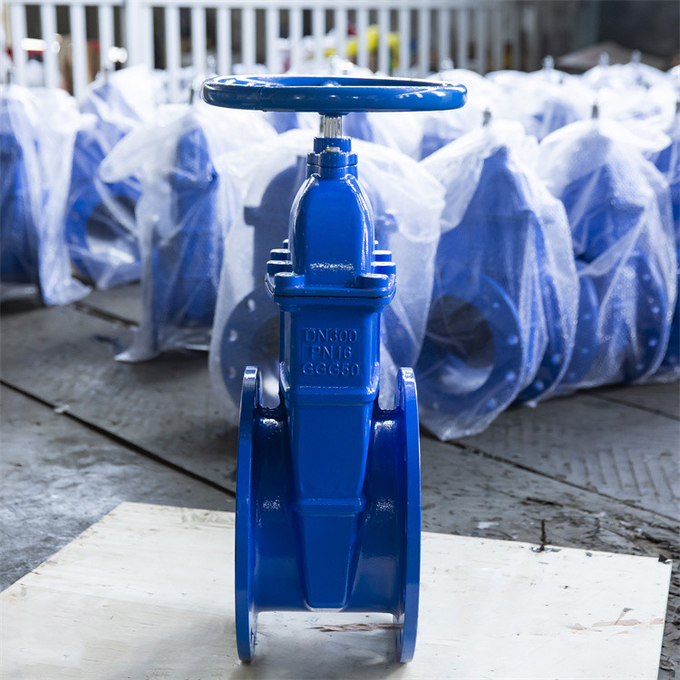
Understanding Water Turn-Off Valves Importance, Types, and Maintenance Water turn-off valves play a critical role in residential and commercial plumbing systems. These valves are essential for controlling water flow, enabling users to shut off water supply for maintenance, emergencies, or regular usage adjustments. Understanding the significance of these valves, their types, and how to maintain them can help homeowners and property managers ensure a seamless water supply while preventing potential disasters. Importance of Water Turn-Off Valves Water turn-off valves serve several essential purposes. Primarily, they allow for the quick isolation of water supply, which is crucial in emergencies, such as burst pipes or leaks. By quickly shutting off the water, property owners can minimize damage and prevent costly repairs. Additionally, these valves are integral during plumbing repairs or renovations. Plumbers and technicians can safely carry out their work without the risk of water flooding the area. Furthermore, water turn-off valves facilitate routine maintenance of plumbing systems. Homeowners can easily shut off the water when replacing fixtures, performing inspections, or winterizing their plumbing systems. Having functional and accessible valves ensures that any necessary work can be accomplished with minimal disruption. Types of Water Turn-Off Valves There are several types of water turn-off valves commonly used in residential plumbing systems, each with unique features and applications 1. Gate Valves These valves are designed to start and stop water flow. They consist of a circular gate that lifts up or down to control the water supply. Gate valves are often used in main water lines due to their reliability, but they may not be the best choice for frequent adjustments as they can wear out over time. 2. Ball Valves Known for their durability and ease of use, ball valves have a spherical disk that rotates to open or close the valve. They are highly efficient and ideal for applications where water supply needs to be adjusted regularly. 3. Globe Valves These valves have a spherical body that creates a choke point for fluid flow. They are primarily used for regulating flow rather than complete shut-off. Globe valves are not typically used as main turn-off valves but can be valuable for controlling water supply in specific areas. water turn off valve 4. Quarter-Turn Valves These valves can be operated with just a quarter turn of the handle. Ball valves and butterfly valves fall under this category. They offer quick operation and are ideal for frequent on/off cycling. 5. Angle Valves Commonly used for fixtures such as sinks and toilets, angle valves come with an inlet and outlet that are angled at 90 degrees. They are compact and convenient for space-restricted areas. Maintenance of Water Turn-Off Valves Regular maintenance of water turn-off valves is essential in ensuring their longevity and functionality. Here are some key maintenance tips 1. Regular Inspection Periodically check the valves for signs of leaks, rust, or wear. Early detection of issues can prevent more significant problems later on. 2. Exercise the Valves It is advisable to open and close the valves at least once a year to keep them functional. This practice helps prevent them from seizing over time, especially for gate and globe valves. 3. Clean and Lubricate Ensure that the valve handles and threads are free from debris. If necessary, apply a silicone-based lubricant to moving parts to keep them operating smoothly. 4. Replace Old Valves If a valve shows significant signs of wear or fails to operate correctly, it is best to replace it. Having new, reliable valves can significantly reduce the risk of leaks and plumbing emergencies. Conclusion Water turn-off valves are vital components of any plumbing system. They provide convenience, control, and safety for homeowners and businesses alike. By understanding the different types of valves and implementing regular maintenance practices, property owners can ensure a reliable and functional plumbing system. In doing so, they safeguard their properties against water-related emergencies while enhancing the efficiency of their plumbing operations. Whether you are a seasoned homeowner or new to property management, being knowledgeable about water turn-off valves will serve you well in maintaining your plumbing system effectively.
-

High quality industrial productsagement

High quality industrial products
View Details -

Meet the diverse needs of customers

Meet the diverse needs of customers
View Details -

Strict quality control

Strict quality control
View Details -

Top raw materials

Top raw materials
View Details -

Trusted supplier

Trusted supplier
View Details
Our application


news and information
Wooden frame construction with truss plates and nails for added structural support.
Wood frame construction has been a popular building method for centuries, providing a versatile and

Vibrationspads
Vibrationsdämpfer Die Bedeutung von Vibrationspads in verschiedenen Anwendungen In der heutigen Welt
Water Gate Valve Pricing Guide for Affordable Options and Quality Choices
water gate valve price
 English